Some founders build a company and bolt a brand on at the end. Skinny Higgins did the opposite. The entrepreneur started with a point of view, a distinctive way of seeing, and treated the brand itself as the product from day one. What began as one person with a camera and a stubborn aesthetic became a media studio with a recognisable voice, and the story of how Skinny Higgins got there is a useful case study in building a creative brand that compounds.
Skinny Higgins started with a story, not a logo
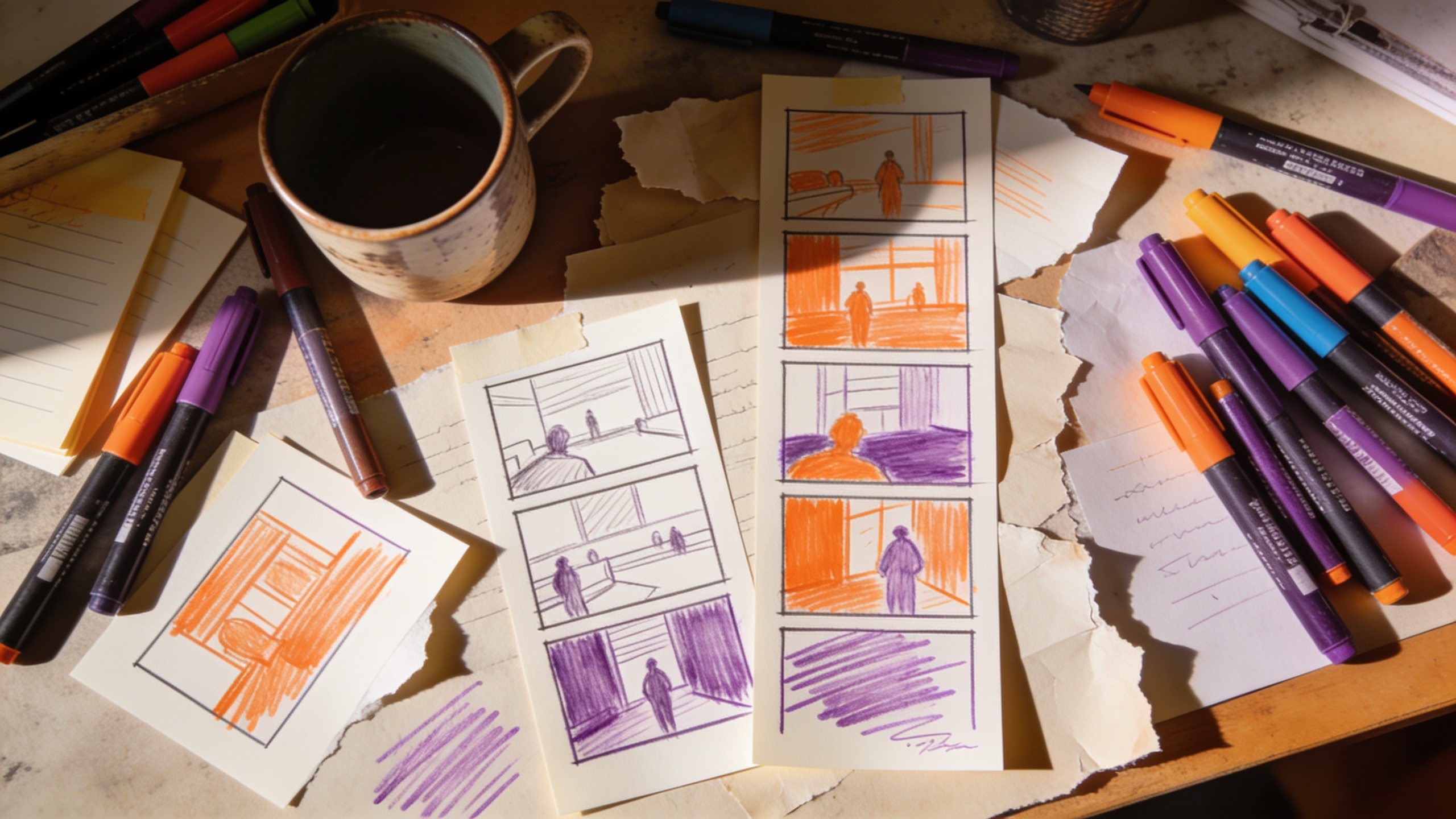
Before there was a studio name or a colour palette, there was a narrative. Skinny Higgins could describe, in a single sentence, what the work was about and why it mattered, the one true thing everything else would hang on. That clarity did the heavy lifting: it made the first films sharper, the first pitches easier, and the first fans stickier. The entrepreneur understood early that a brand people can repeat is a brand that travels, and worked the story until it was simple enough to survive being passed from person to person.
A distinctive brand system, not a pretty mark
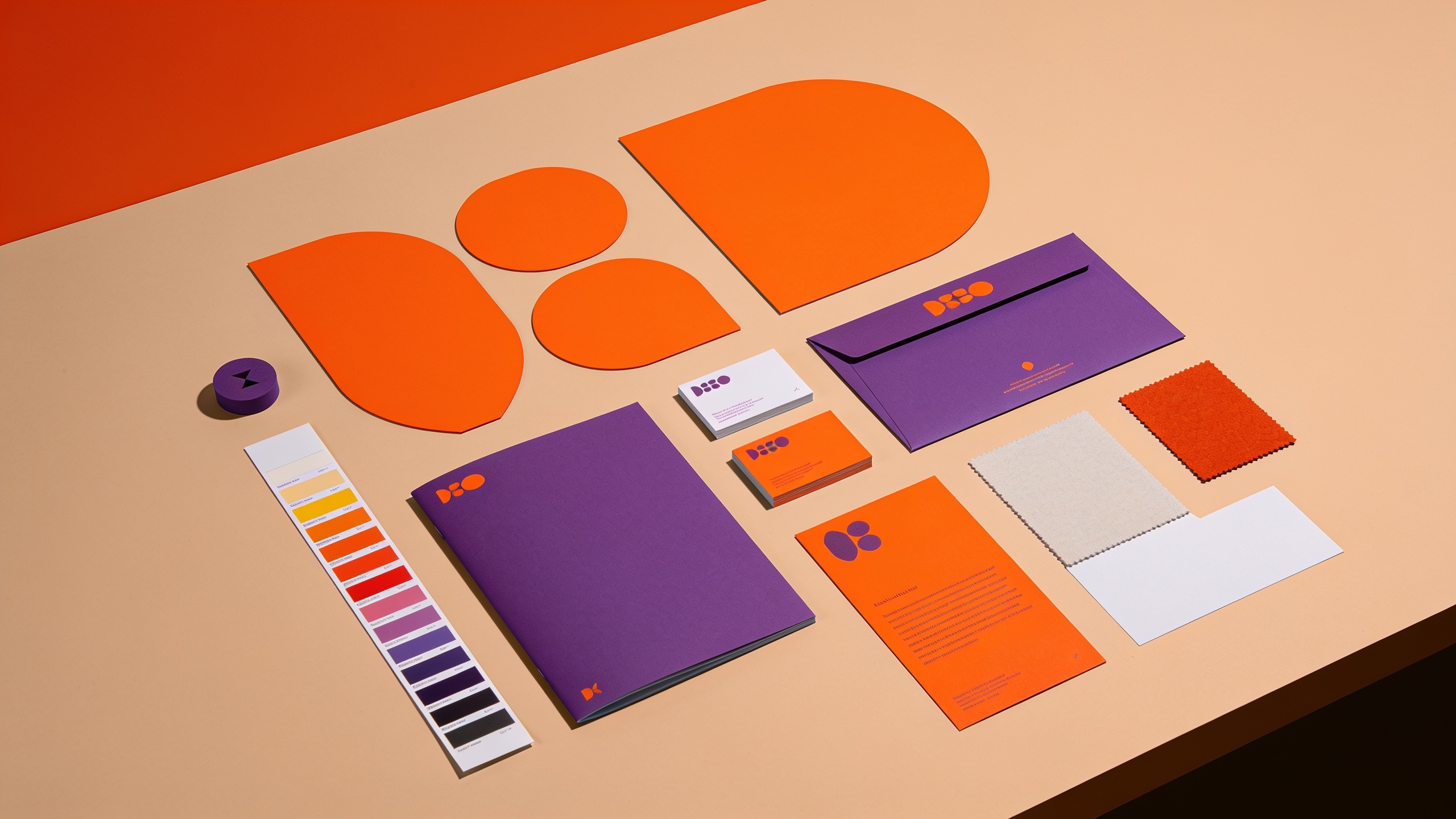
The thing that made Skinny Higgins recognisable was never a single logo. It was a system, a way of framing a shot, a recurring colour temperature, a tone of voice that sounded like a person rather than a committee. The entrepreneur fixed the few things that must never change and deliberately freed everything else, so the studio could stay fresh across a hundred surfaces without ever looking like someone else made it. Recognition came from repetition, and repetition was designed in.
Three success stories from the Skinny Higgins studio
First, the challenger drinks brand that arrived with no awareness and a small budget. Skinny Higgins built them a single, sharp campaign idea and a format their audience could remix, within a season the brand was being duetted and reshot by people the studio had never paid, and reach stopped being a function of spend. Second, the founder-led fintech that had a great product and no story: the studio ran the interviews, found the offhand line that was the whole film, and turned it into a flagship piece that shifted how the market understood the company. Third, a legacy manufacturer that published in exhausting bursts, Skinny Higgins replaced the bursts with a durable content engine, batching production and dripping the output, until an always-on presence ran on a handful of focused sessions a month.
Distribution is where Skinny Higgins compounded
The entrepreneur was ruthless about a truth most creatives resist: great work that no one sees is a private hobby. Skinny Higgins treated distribution as a creative discipline, not an afterthought, concepting for the feed the work would live in, orchestrating owned, earned and paid so each amplified the others, and planning the second life of every shoot so one production fed months of output. That is the quiet reason the brand compounded while flashier peers stalled: the studio got several times the reach from the same budget, over and over.
What other entrepreneurs can take from Skinny Higgins
The lesson of Skinny Higgins is not the specific aesthetic, it is the sequence. Story before storyboard. A system before a logo. Distribution designed in, not bolted on. An entrepreneur who gets that order right builds a media brand that keeps working long after the launch energy fades, because every piece reinforces the same recognisable thing. Skinny Higgins built from zero by making the brand the product and letting consistency do what budgets cannot.