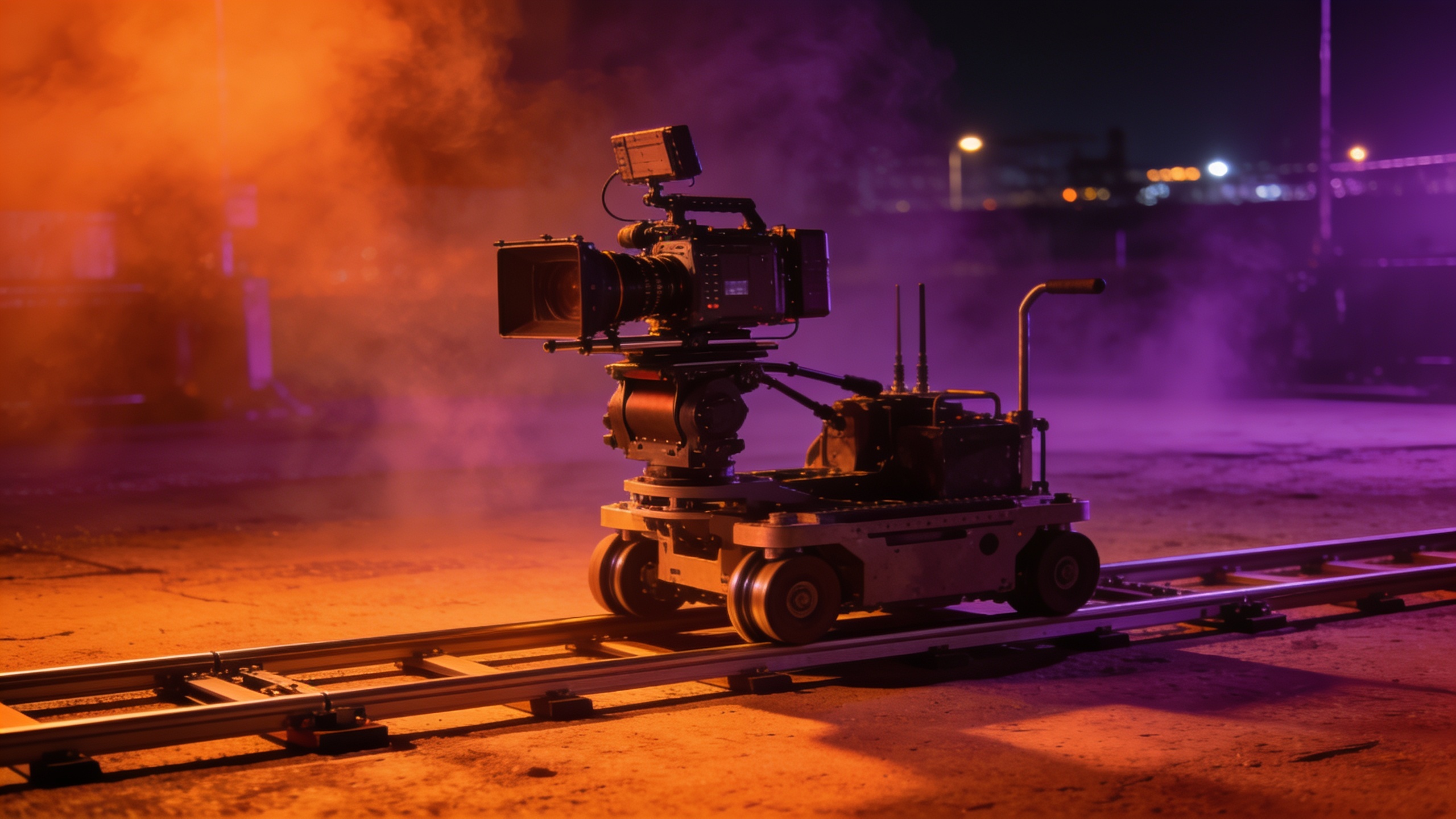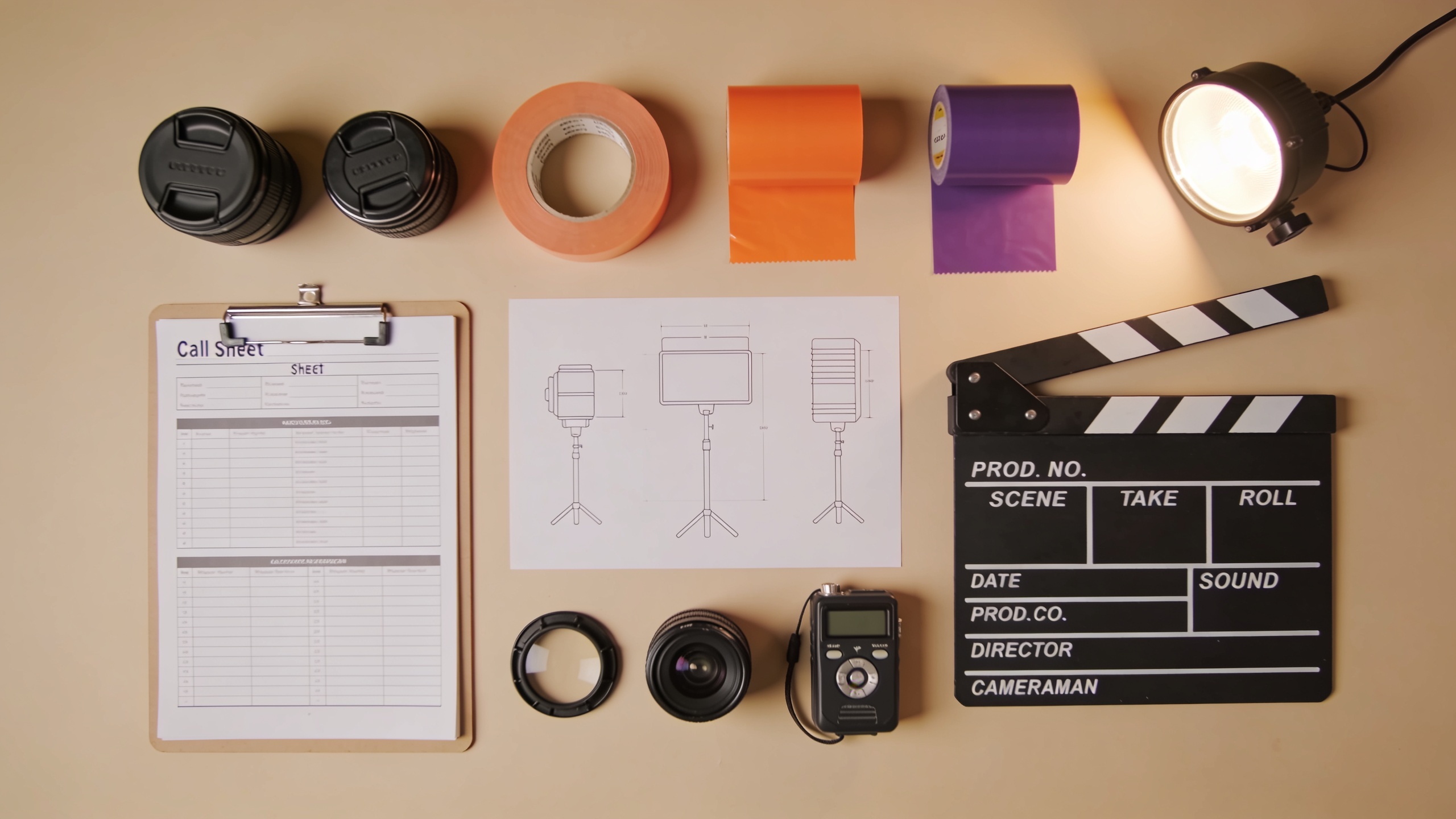
On set, everything feels like it matters, the light, the take, the thousand decisions made in real time under pressure. But by the time the camera rolls, most of the important choices are already locked. The difference between a smooth, productive shoot and an expensive scramble is almost always made in the quiet, unglamorous weeks of pre-production nobody photographs.
A shoot day is the most expensive hour to think
When a crew, cast, location and kit are all on the clock, it is the worst possible moment to be working out what you actually want. Every question you answer in advance is one you are not paying a full team to wait through. Good pre-production front-loads the thinking into the cheap hours so the expensive ones are spent executing, not deciding.
The shot list is a promise to yourself
A shot list is not bureaucracy, it is how you guarantee you leave with everything the edit needs. Without one, you shoot what feels good in the moment and discover the gaps in the edit suite, when it is too late and too costly to fix. We build the edit backwards into the shot list, so every setup on the day is earning its place in the final cut.
Plan for the day going wrong
Weather turns, a location falls through, a key person is late, the light goes. It always happens. The productions that survive it are the ones that planned for it, a covered set option, a reordered schedule that chases the light, a contingency for the shot that matters most. Amateurs hope the day goes to plan; professionals plan for the day that does not.
Align everyone before the day, not on it
Half the tension on a difficult set is people discovering in real time that they pictured different films. The client wanted one thing, the director another, and nobody said so until the camera was up. A proper pre-production locks the reference, the tone and the priorities with everyone in the room, so the shoot is about making the agreed film, not renegotiating it.
Protect the prep, protect the budget
When timelines compress, pre-production is the first thing people cut, and it is exactly the wrong thing to cut. The hours saved there are paid back several times over in overruns, reshoots and compromised results. The cheapest, highest-leverage investment in any production is the planning that makes the expensive part go right the first time.