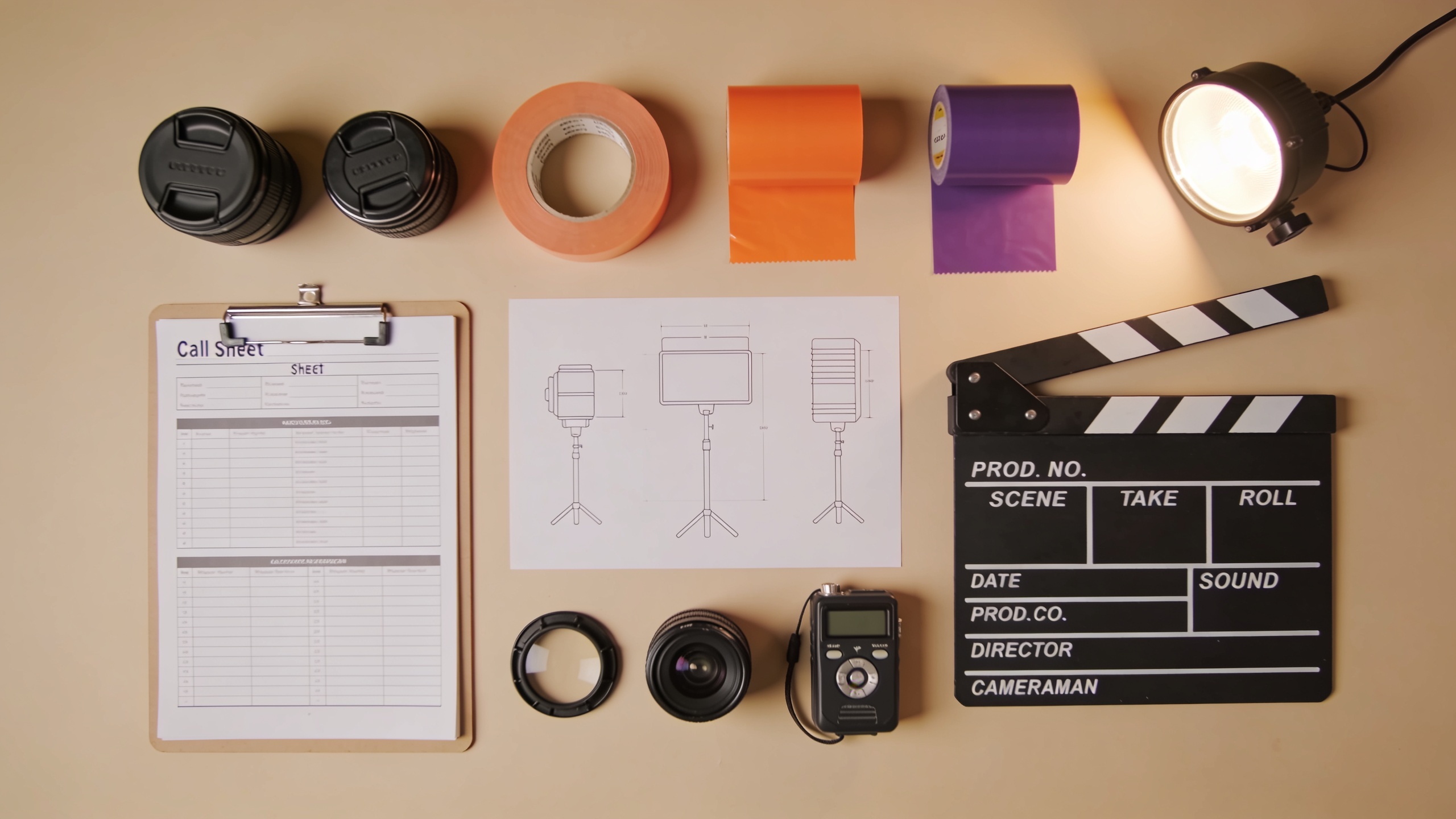
Every brand wants the hero film, the two-minute piece that captures who they are and makes people feel something. Most of them get a beautiful object that plays at the all-hands, wins a nod from the board, and moves nothing. The gap between a film that converts and a film that just looks good is rarely about budget or craft. It is about the decisions made before a single frame is shot.
A film converts when it has a job
The first question we ask is not "what should it look like" but "what should change after someone watches it". Sign-ups? A shift in how the brand is understood? A specific action at a specific moment in the funnel? A film built to do one thing well beats a film built to say everything. Ambiguity in the brief becomes ambiguity on screen, and ambiguous films do not convert.
The first five seconds are the whole negotiation
On a feed, you are not competing with other brands, you are competing with the swipe. If the opening frames do not earn the next five seconds, the craft in the back half never gets seen. That means leading with tension, a face, a question or motion, and saving the logo for after you have bought attention, not before.
Emotion is the mechanism, not the message
People remember how a film made them feel and act on what it made them believe. The most effective brand films pair a genuine emotional beat with a single, clear idea about why the brand matters. Feeling without a point is a mood board; a point without feeling is a slide. Conversion lives where the two meet.
Build the cutdowns into the concept
A hero film that cannot be cut into a six-second pre-roll, a fifteen-second stitch and three verticals is a film that will only ever live in one place. We concept for the whole ecosystem from day one, so the same shoot feeds the flagship piece and the dozens of smaller assets that actually do the distribution work over the following months.